


Author:Swarna Sanghvi
Date:August 04, 2026
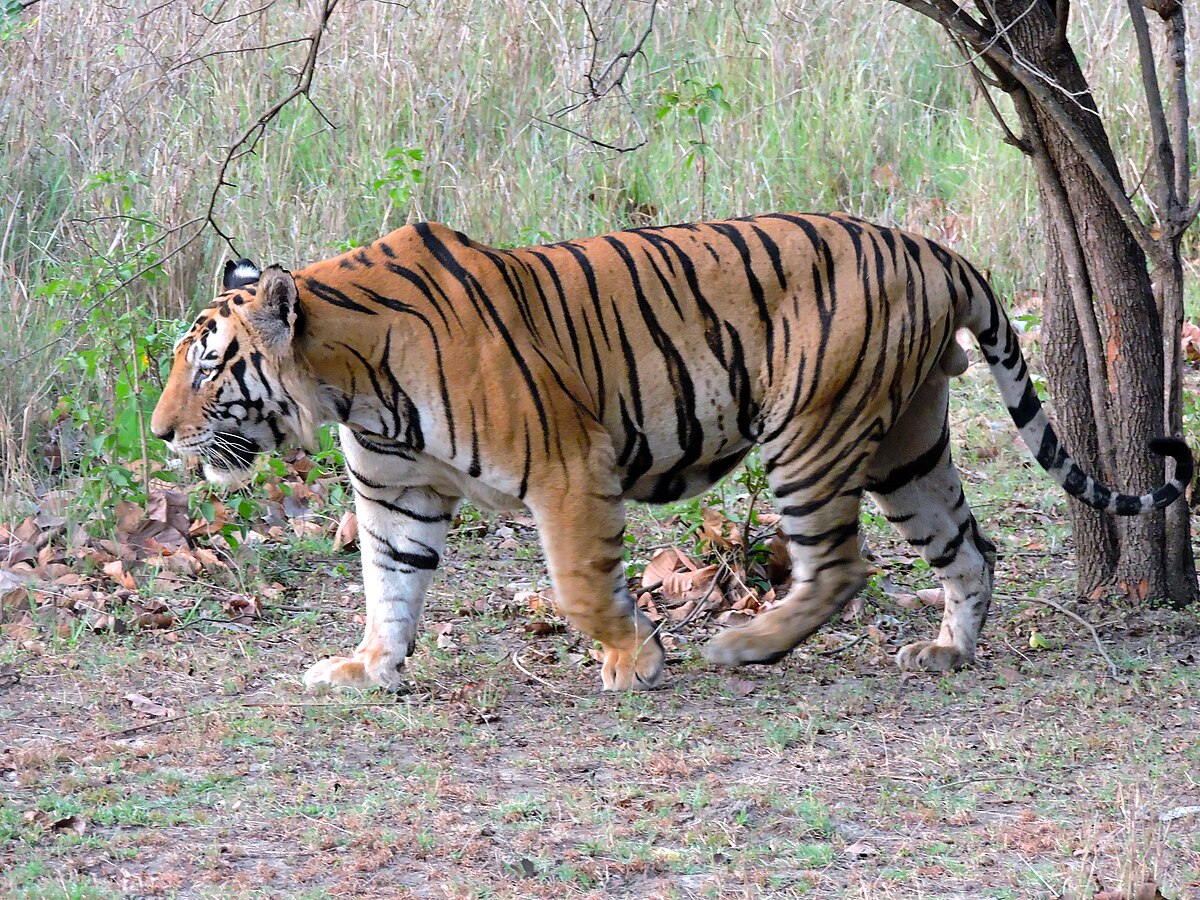
Meet the Majestic Tigers of Pench
In the heart of Pench’s emerald wilderness, legends walk on silent paws. Read More
We assist travelers with Pench safari permits, resort bookings, and guided tours. This is a privately operated travel website and not the official Pench National Park website.
Located in the enchanting heart of Madhya Pradesh, Pench National Park stretches across the Seoni and Chhindwara districts, extending southward to meet the border of Maharashtra. Originally designated as a sanctuary, it was later elevated to the status of a national park and now forms an integral part of the southern Satpura hills. The park spans a total area of 758 sq. km, comprising a core zone of 299 sq. km and a buffer zone of 464 sq. km within Madhya Pradesh. On the Maharashtra side, the reserve covers an additional 257 sq. km, forming a contiguous landscape rich in wildlife and natural beauty.
Pench is home to a diverse variety of trees, including Teak, Bamboo, Haldu, Mahua, Saja, and Amla, while the forest floor is adorned with grasses, bushes, plants, and saplings that together create a thriving habitat for countless species. At the heart of this wilderness flows the Pench River, originating from the Chhindwara district. This life-sustaining river nourishes the landscape and serves as a vital water source for the park’s diverse ecosystem. Widely regarded as one of India’s premier wildlife destinations, Pench is a haven for nature lovers and adventure seekers. Its rich biodiversity, vast buffer zones, and seamless animal movement make it one of the most exhilarating places to experience the wild in its purest form.
There are a number of things to do in Pench National Park, making it a great destination for all kinds of travelers, whether you're seeking adventure or relaxation.

The Jeep Safari is the main attraction, offering a chance to see Tigers, Leopards & other wildlife animals. Spotting a tiger in its natural habitat is a pure magic!

Discover Pench’s wild magic with the rare opportunity to spot the majestic Black Leopard, also known as the Black Panther, in this exclusive zone.
.png)
Guided nature walks and treks offer a closer look at Pench's diverse vegetation. These walks also provide educational insight into local plant species and their traditional uses.

Experience the full splendor of the Milky Way, discover constellations and distant galaxies, and immerse yourself in the breathtaking beauty of the night sky, free from the interference of light pollution
.png)
Pench is a paradise for bird lovers, home to over 300 species including migratory birds. Peafowls, hornbills, and kingfishers are just a few of the park's feathered residents.

With its rich landscapes and wildlife, Pench is a haven for photographers. Whether you're a pro or hobbyist, the park offers countless photo-worthy moments.
Pench National Park, officially renamed Indira Priyadarshini Pench National Park in November 2002, is steeped in natural and cultural history. References to its rich forests and diverse wildlife date back to the 16th century, notably in the Ain-i-Akbari, a historical document written by Abul Fazl, the Grand Vizier in Emperor Akbar’s court.
During the British colonial era, Pench’s forests were heavily exploited for timber extraction and game hunting, leading to widespread environmental degradation. Although certain areas were designated as Reserved Forest as early as 1862, the lack of proper regulation allowed continued ecological damage for several decades.

After India’s independence, efforts to protect and restore the region gained momentum. In 1977, Pench was declared a Wildlife Sanctuary, and by 1983, it was granted full National Park status. In 1992, Pench achieved further recognition as it became a Tiger Reserve under Project Tiger, marking it as the 19th Tiger Reserve in India and the country’s first inter-state Tiger Reserve, spanning parts of both Madhya Pradesh and Maharashtra.
Pench gained global recognition through Rudyard Kipling’s classic tales, The Jungle Book and The Second Jungle Book, which drew inspiration from this very landscape. The stories of Mowgli, the feral child raised by wolves, along with characters like Bagheera the panther and Baloo the bear, are set against the backdrop of the Seoni jungle, now an integral part of Pench.
Today, the Pench Tiger Reserve covers an area of approximately 758 square kilometers, comprising the core zone of Pench National Park (292.85 sq km), the Mowgli Pench Wildlife Sanctuary (118.30 sq km), and buffer zones that support ongoing conservation efforts. Pench continues to serve as a vital habitat for tigers and numerous other species, standing as a powerful symbol of India’s commitment to wildlife conservation and biodiversity protection.
Remember Rudyard Kipling's timeless classic “The Jungle Book”—whether as a cartoon series or movie? Most of us have either seen or heard of Mowgli, the boy raised by wolves, and his adventures with his loyal companions Bagheera and Baloo, as he takes on the fierce tiger Shere Khan..
There are a number of things to do in Pench National Park, making it a great destination for all kinds of travelers, whether you're seeking adventure or relaxation.
Seoni in Madhya Pradesh and Nagpur in Maharashtra are the closest cities to Pench National Park.
In Madhya Pradesh, the core zones are closed on every Wednesday Evening. Buffer zones are open throughout the year.
Maharshtra side follows weekly closure of zones for full day.
Mogarkasa - Monday | Khursapar - Tuesday | Sillari - Wednesday | Chorbahuli - Thursday.
On the festivals of Holi and Diwali, it remains closed.
Touria is the best core zone to visit. However, Sillari core zone and Khursapar core zone is also famous for frequent sightings of Tiger.
November to February is the Peak time to visit with comfortable weather and sighting of Wildlife. However, March to June, is also the best time to see the Tigers due to hot weather, they can be often seen near the water bodies.
Yes. Buffer zones like Khawasa, Teliya, Rukhad and Masurnala are good for sightings of Tigers, Leopards and other wild animals.
Mogarkasa zone in Maharashtra is also popular for the recent sightings of Black Panther.
One can reach Pench National Park by Road, Train, and Air. So visitors can travel to Jabalpur in Madhya Pradesh and Nagpur in Maharashtra. From there, they can take the cabs to come to Pench National Park.
As per the last cencus data of 2022, the population of Tigers in Madhya Pradesh side of Pench was 77. The Maharashtra side has also seen a rapid increase of population from 9 in 2008-09 to 44 in 2021. The latest cencus data has not been released yet.
In Madhya Pradesh side, Phones are allowed to carry during safari. You can also take photos and videos for free using your mobile phone. It is advisable to do not use flash, keep phones on silent mode.
As per rules in Maharashtra side of Pench, Phones can be carried but are not allowed for taking pictures and making videos.
Yes, children are allowed in pench but under the supervision of parents or guardians.
Spotting a tiger is a matter of luck, chances increases when more number of safaris are done.
The number of days completely depends upon the individual's preference, for people with a limited time, they can come for a 1 Night or 2 Nights Tour. But the ideal would be tour for a Week.
Explore the best blog posts and recent news related to Pench National Park.
Author:Swarna Sanghvi
Date:August 04, 2026
In the heart of Pench’s emerald wilderness, legends walk on silent paws. Read More
Author:Swarna Sanghvi
Date:August 04, 2026
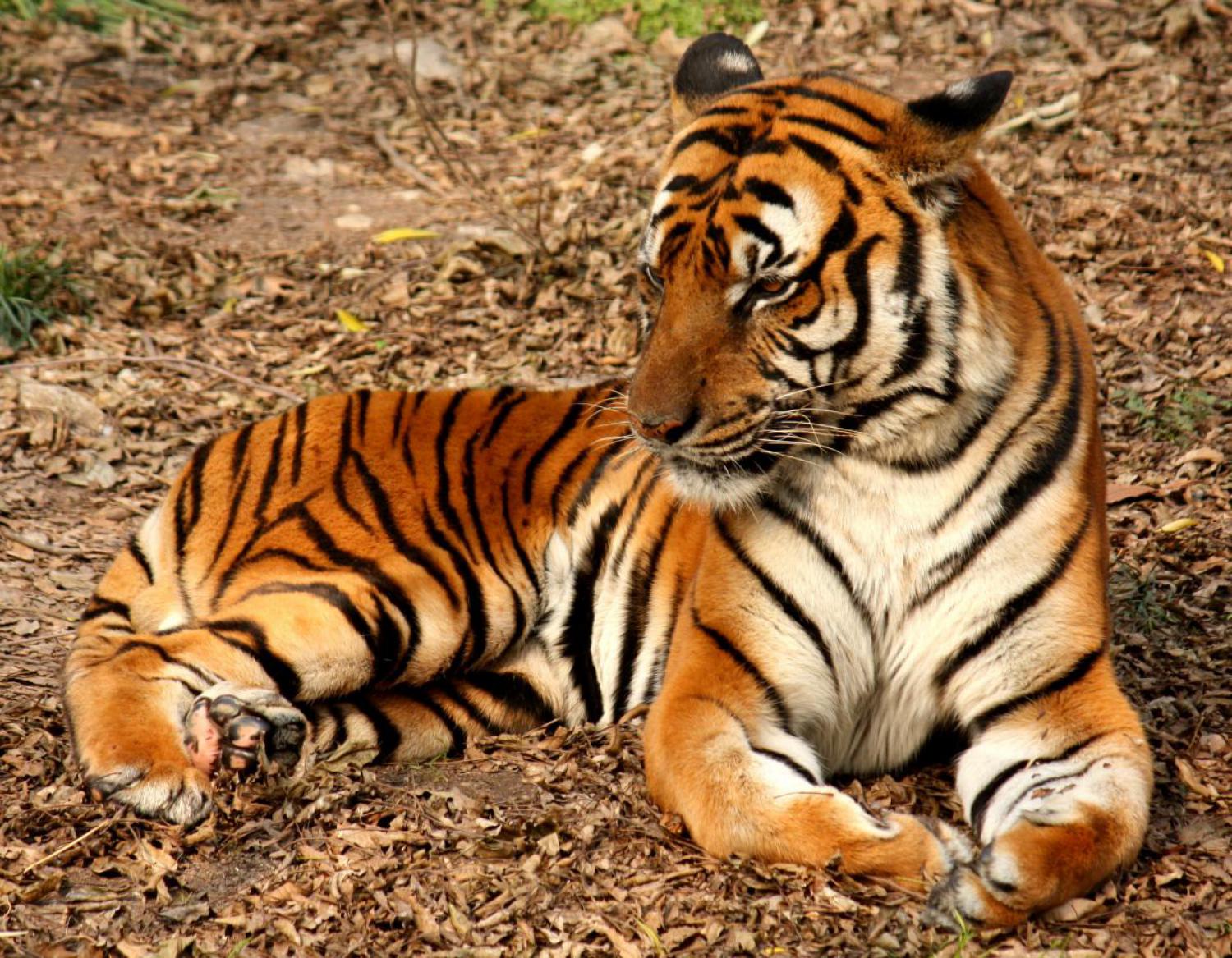
Check out the latest wildlife sighting updates in Pench National Park. Read More
Author:Swarna Sanghvi
Date:August 05, 2026
One of the Buffer Zones of Pench National Park in the Maharashtra side. Read More


